A full-arch implant restoration is more than just replacing missing teeth. It should be resilient enough to support everyday chewing, maintain a natural-looking appearance, allow effective cleaning, and remain accessible for professional maintenance.
Hence, this is the reason why zirconia hybrid prosthesis involves more than selecting a strong restorative material.
For dentists planning All-on-4 or All-on-6 cases, the design decisions made prior to fabrication play a huge role in how the restorations perform long after delivery.
- Why Hygiene Access Should Influence the Design
One of the most underrated factors for consideration in full-arch rehabilitation is how patients will clean beneath the prosthesis.
A restoration may be visually and operationally excellent, but lack of adequate space on the base be a challenge in managing basic hygiene. Food debris and plaque can accumulate around implant components and beneath the prosthetic structure.
The design should therefore consider:
- Adequate access to interdental cleaning aids.
- Contours that do not unnecessarily obstruct hygiene.
- Appropriate space beneath the prosthesis.
- Patient-specific soft tissue anatomy.
These details should be discussed during treatment planning rather than addressed only after delivery.
- Screw Access Is a Design Decision, Not an Afterthought
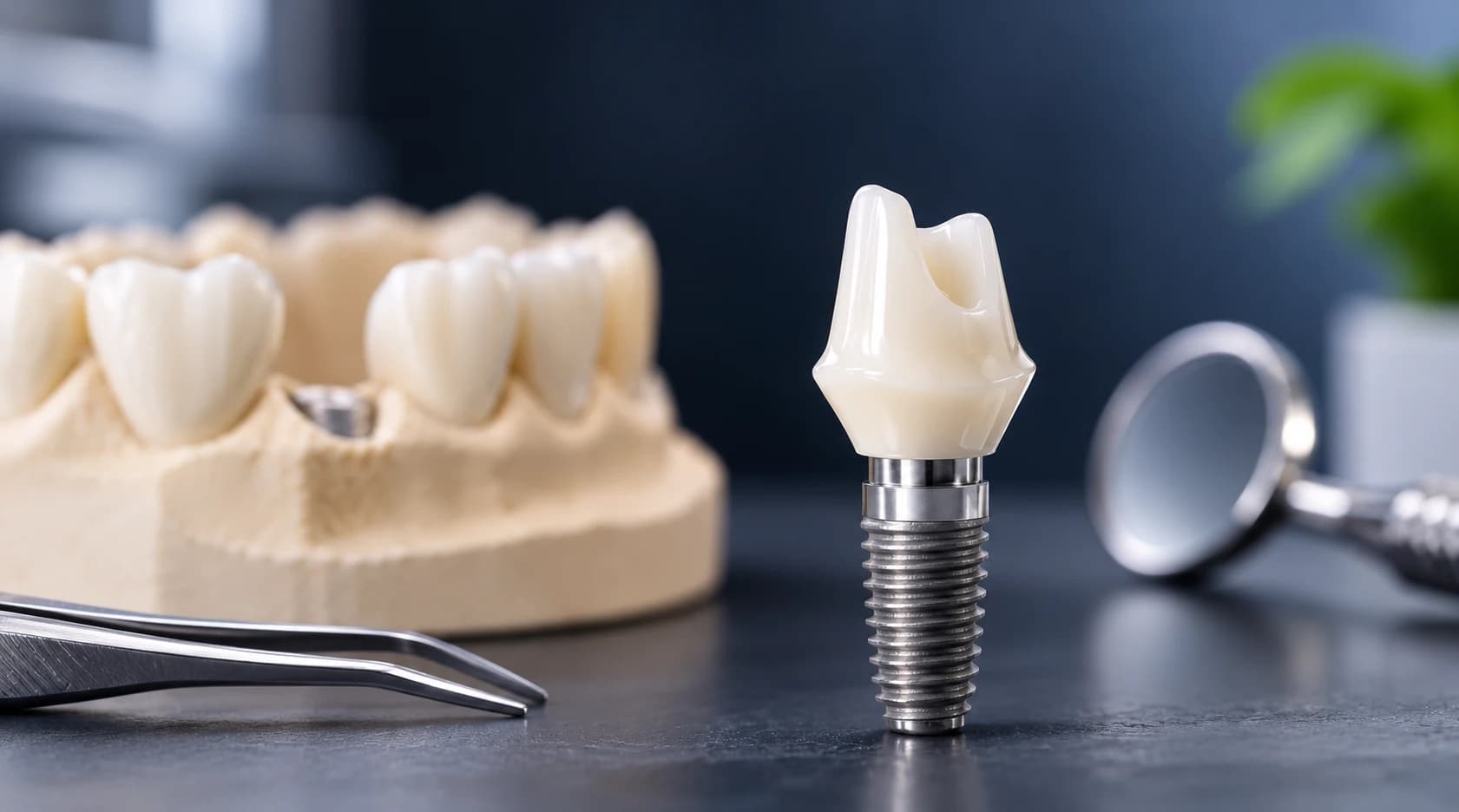
Screw-retained restorations have a big practical advantage. They can easily be retrieved for repair without causing any damage to the prosthetics.
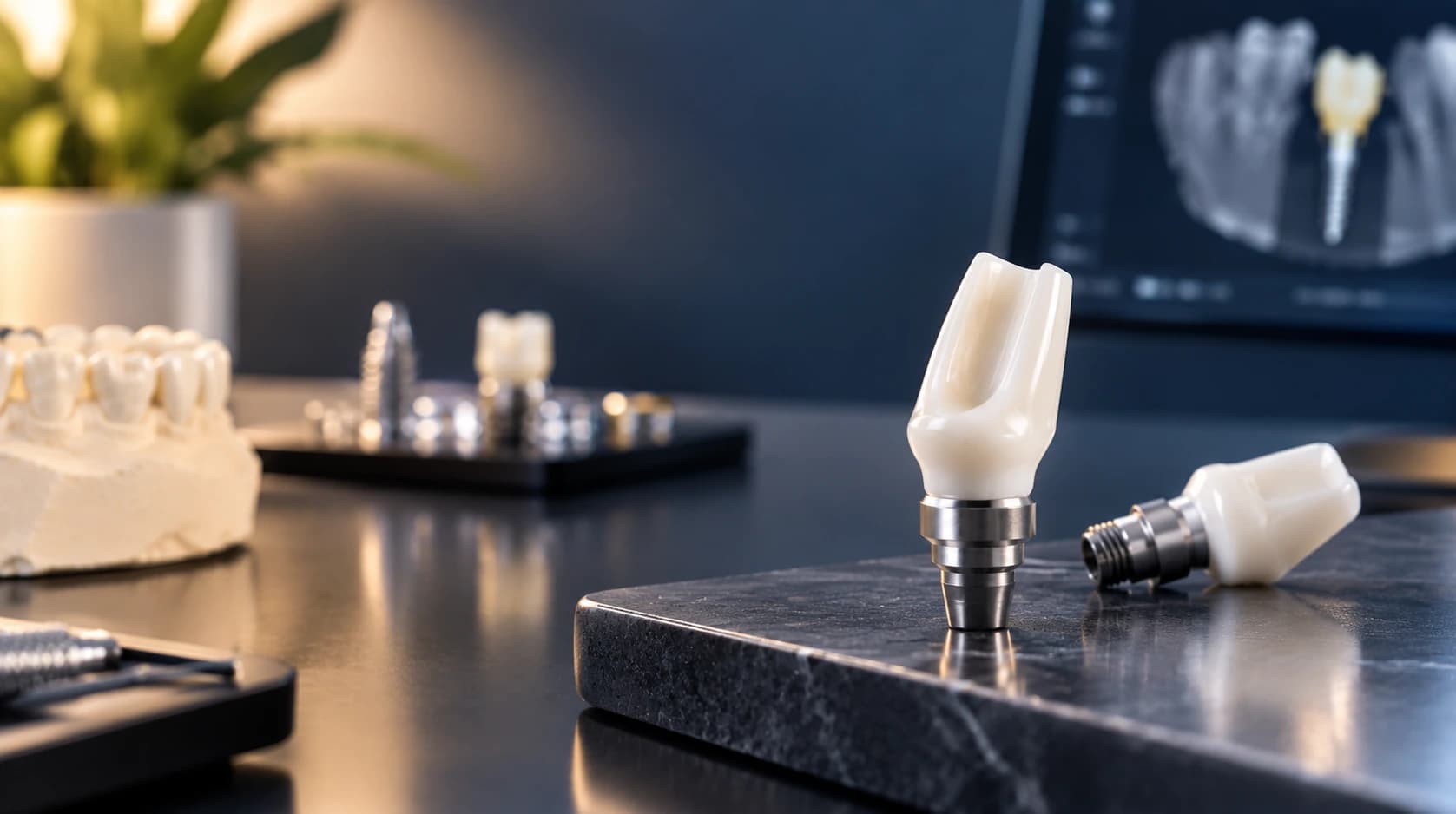
However, screw-channel positioning must be considered carefully. Implant angulation, restorative space, and the intended tooth arrangement can influence where access openings emerge.
Poorly positioned access channels may compromise the appearance of anterior teeth or create challenges during restoration design.
This is why it is important that the dentist and laboratory should be on the same page with the implant positions, multi-unit abutments, restorative requirements, and the planned prosthetic contour prior to the fabrication.
- Monolithic or Veneered Zirconia?
Material and design choices also influence the type of technical complications a restoration may experience.
Monolithic zirconia avoids a separate veneering porcelain layer across the functional surfaces. This has a direct impact on mitigating the chipping of veneers, which is a frequent concern in veneered full-arch zirconia restorations.
A 2026 systematic review says that as compared to veneered configurations, monolothic designs were technically smoother. Although, one point needs to be noted: the included studies varied in follow-up and quality. Long-term evidence is still developing.
The decision should consider the patient's aesthetic requirements, available restorative space, occlusal loading, and clinical circumstances.
- Occlusion and Cantilever Design Need Careful Planning
Functional forces are distributed among several implants in full-arch implant restorations. But how those forces are handled is important.
Mechanical loading can be influenced by patient parafunctional behaviours, implant distribution, opposing dentition, and cantilever length.
Complications like screw loosening, material degradation, or structure fracture can be caused by excessive or unevenly distributed stresses.
Dentists should assess the prosthetic design and occlusal system based on each patient's unique situation. Additional precautions may also be necessary for patients who have bruxism or other overload hazards.
- Digital Fabrication and Laboratory Communication
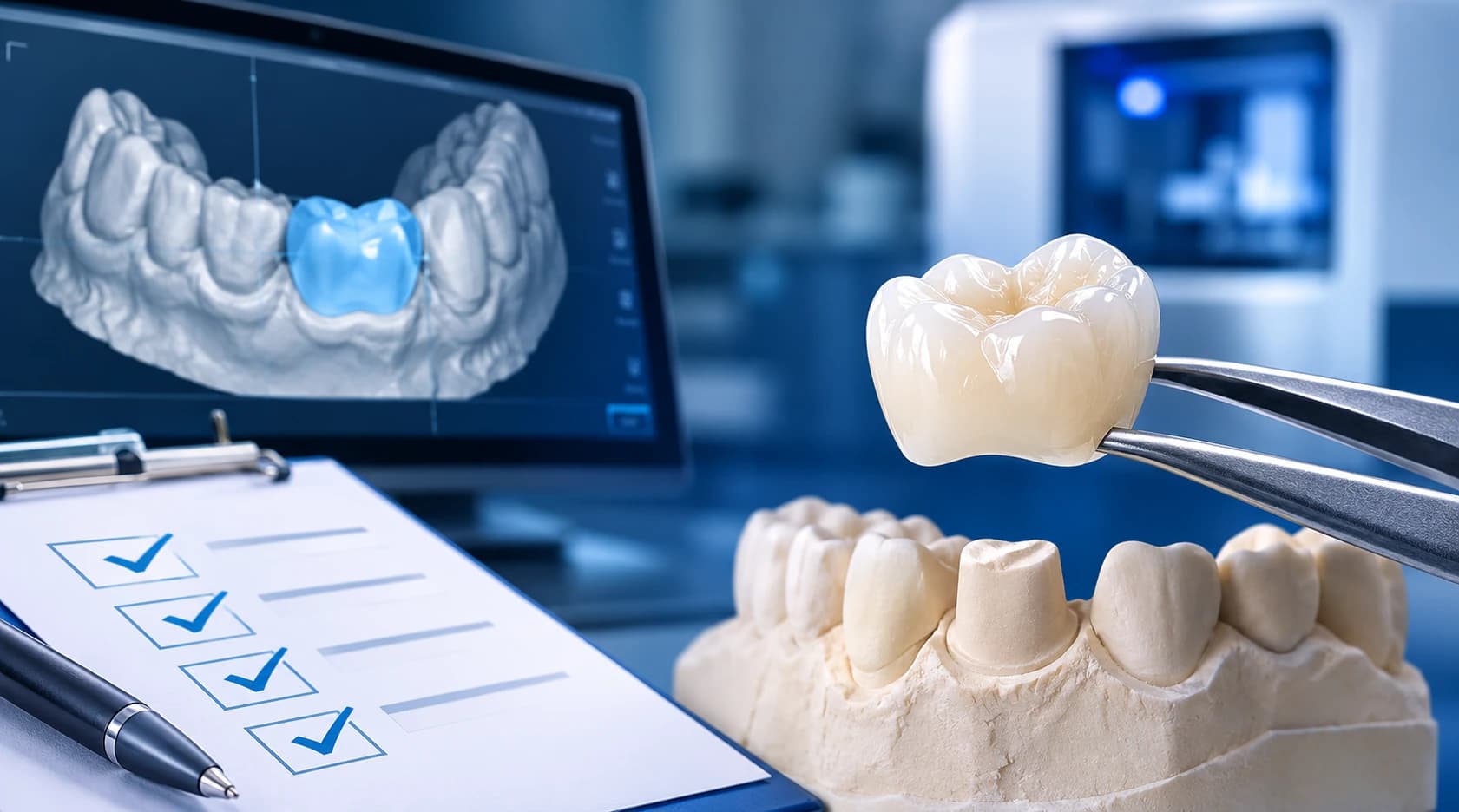
Digital workflows connect implant records, prosthetic design, and manufacturing, but accurate results depend on clear clinical information and careful planning.
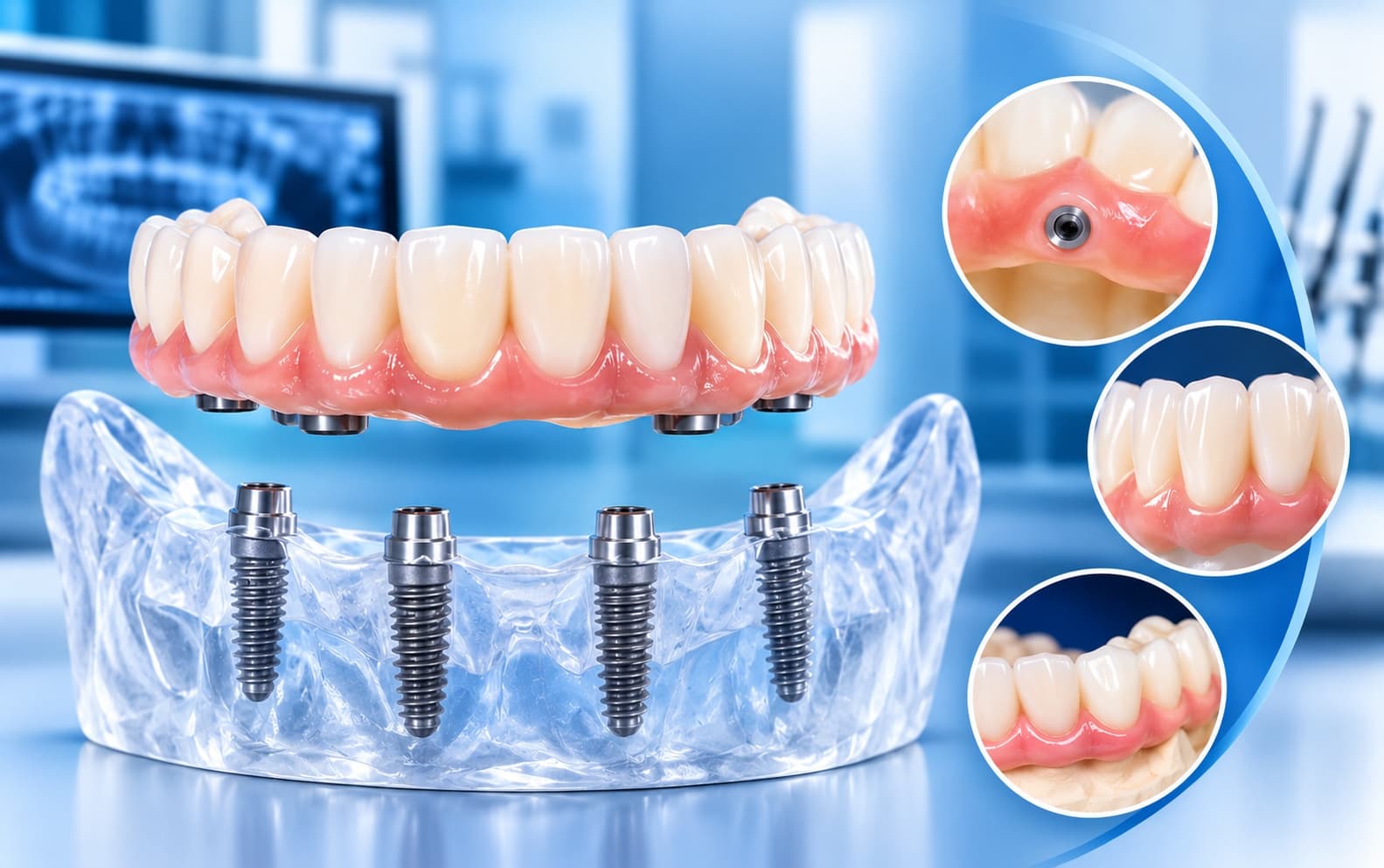
Synergy3D offers full-arch zirconia hybrid restorations for All-on-4 and All-on-6 cases, with in-house milling of custom frameworks and digital coordination between dentists and the laboratory.
For a zirconia lab , the objective should not simply be to produce the restoration. It should be to translate the clinical prescription into a design that accounts for function, appearance, and maintenance.
Frequently Asked Questions
Is a zirconia hybrid prosthesis suitable for every full-arch implant case?
No. Suitability depends on implant distribution, restorative space, occlusion, patient habits, aesthetic requirements, and clinical assessment.
Is monolithic zirconia better than veneered zirconia?
Monolithic zirconia may reduce veneer-related chipping because it does not have a separate porcelain layer across the functional surface. However, material selection should depend on the specific case and design requirements.
Why is screw retention commonly considered for full-arch restorations?
Screw retention allows the dentist to retrieve the prosthesis for maintenance and repairs. It also avoids relying on cement for retention. The implant positions and prosthetic design must support the planned screw access.
What information should dentists send to the laboratory?
Dentists should provide accurate implant records, digital scans, opposing arch information, bite records, restorative space details, and a clear prescription. Additional photographs or design references can help clarify aesthetic requirements.
How can patients maintain a full-arch zirconia restoration?
Patients need specific hygiene instructions, suitable cleaning aids, and regular professional reviews. The restoration should be designed to support effective cleaning rather than make it difficult.
Designing Beyond the Day of Delivery
A successful full-arch restoration is not judged only by how it looks when the patient leaves the clinic. Its accessibility, function, hygiene requirements, and maintenance needs matter just as much.
Synergy3D combines digital design and in-house milling to support full-arch implant restorations. For dentists working with a zirconia lab , careful planning and clear communication remain essential to creating a prosthesis that serves the patient's needs beyond initial delivery.